Pool Salt Cell Cleaning in Little Elm, TX
Little Elm's lakeside location means higher humidity and airborne algae spores from Lewisville Lake force your salt chlorinator to work overtime, scaling plates faster than inland pools. Our technicians dissolve lakeside mineral deposits, verify actual amperage output, and restore full chlorine production so your saltwater pool stays balanced against the constant spore pressure.
What Little Elm Homeowners Are Saying
Real feedback from pool owners across Little Elm and North Texas who rely on Pure Pool Solutions TX.
Lakeside-Aware Salt Cell Descaling for Little Elm Pools
Little Elm neighborhoods like Valencia on the Lake and The Lakes at Little Elm sit near Lewisville Lake, meaning humidity and spore activity create a different scaling and demand pattern. We adapt our approach to these lakeside conditions.
Spore-Driven Scale Inspection
Lakeside humidity feeds persistent algae spore activity that forces salt cells to run at high output, creating scale mixed with organic film. We inspect for this combined deposit type unique to Little Elm pools.
This mixed scale requires a two-stage approach, first dissolving the organic film then targeting the calcium underneath, to fully restore plate function.
Humidity Output Calibration
High lakeside humidity changes how chlorine dissipates in Little Elm pools, meaning standard output percentages may under-produce. We calibrate chlorination settings to local humidity and spore conditions.
A cell running at settings tuned for drier inland areas will leave lakeside pools vulnerable to algae, so we adjust based on actual water testing.
Stabilizer Level Verification
Lakeside sun exposure in Little Elm burns through chlorine faster, requiring correct cyanuric acid stabilizer levels to protect the chlorine your salt cell produces.
Low stabilizer means your cell works harder to produce chlorine that dissipates before it can work, accelerating scale and wasting output. We test and advise.
What Every Salt Cell Cleaning Visit Includes
Every salt chlorinator service in Little Elm starts with a lakeside-aware diagnostic. We inspect plates for mixed organic-calcium scale, clean the flow switch, test water salinity and stabilizer levels, and read actual amperage from the power center before recommending any cleaning.
After a controlled two-stage acid soak dissolves the lakeside deposits, we flush the plates, lubricate O-rings, reinstall the cell, and run a live output test. You receive a digital report with before-and-after photos, salinity readings, and stabilizer results before we leave.
Full Salt Chlorinator Maintenance Checklist
Pool Care & Equipment Services in Little Elm
From weekly maintenance to specialized technical repairs and salt system maintenance, we keep your Little Elm pool running smoothly year-round.
Pool Cleaning Service
Comprehensive weekly swimming pool maintenance, skimming, vacuuming, brushing, and chemical balancing across Little Elm.
Pool Equipment Repair
Diagnosing and repairing pumps, motors, heaters, filters, control panels, valves, and plumbing leaks in Little Elm.
Pool Filter Cleaning
Deep cartridge, DE, and sand filter cleanings to restore proper water flow and clarity for Little Elm pools.
Pool Equipment Installation
Professional installation of energy-efficient variable speed pumps, automation panels, and heaters in Little Elm.
Pool Salt Cell Cleaning
Acid washing and mineral scale removal from salt water chlorinator cells to keep chlorine production at peak efficiency.
Pool Acid Wash
Complete pool draining and deep acid treatment to remove stubborn plaster stains and mineral scale in Little Elm.
Pool Remodeling
Complete pool remodels including resurfacing, tile replacement, deck upgrades, and equipment modernization in Little Elm.
Lakeside Spores Scaling Your Salt Cell?
Little Elm's humidity drives faster scale and algae pressure. Book a descaling visit and get a free stabilizer and chlorine-output diagnostic.
How Our Salt Cell Service Works
Three clear steps from booking to a verified, fully restored chlorinator. No guesswork.
Diagnose & Test
We arrive on time, pull the cell, clean the flow switch, and run a full diagnostic covering plate condition, salinity, stabilizer levels, and power-center amperage before recommending anything.
- Stabilizer test
- Spore-scale inspection
- Amperage reading
Written Quote First
You get a clear written quote for descaling, sensor replacement, or calibration adjustments before any work begins. Nothing happens without your approval.
- Transparent scope
- No hidden fees
- You approve first
Descaling & Verification
We perform the two-stage acid soak for lakeside deposits, flush and reinstall the cell, then verify chlorine output with a live amperage test before we leave.
- Two-stage acid soak
- Live output test
- Photo report emailed
Why Little Elm Homeowners Trust Us With Their Salt Systems
Little Elm's proximity to Lewisville Lake creates a unique pool environment that inland communities do not face. Neighborhoods like Valencia on the Lake, The Lakes at Little Elm, and Sunset Pointe sit close enough to the water that humidity stays elevated and airborne algae spores drift into pool water throughout the warmer months. That constant spore pressure forces salt chlorinators to run at high output continuously, producing a mixed scale deposit that combines calcium with an organic film, requiring a different cleaning approach than pure mineral scale.
The lakeside humidity also changes how chlorine behaves in Little Elm pools. Chlorine dissipates differently in humid air, and the intense Texas sun exposure on open lakeside lots burns through chlorine faster than in shaded inland yards. We verify cyanuric acid stabilizer levels on every visit, because low stabilizer means your salt cell works harder to produce chlorine that vanishes before it can protect your water. Correct stabilizer levels let your cell run at a lower, healthier output percentage while maintaining better water quality.
We use a two-stage descaling process for Little Elm pools, first dissolving the organic film with a specialized pre-soak, then targeting the calcium underneath with a controlled acid treatment. This prevents the organic layer from shielding the calcium from the acid, which would leave mineral deposits intact beneath a seemingly clean surface. Homeowners across Paloma Creek, Frisco Hills, and Prairie Oaks rely on this lakeside-aware approach to keep their salt systems performing against constant spore and humidity pressure.
Salt Cell Cleaning Results Across Little Elm
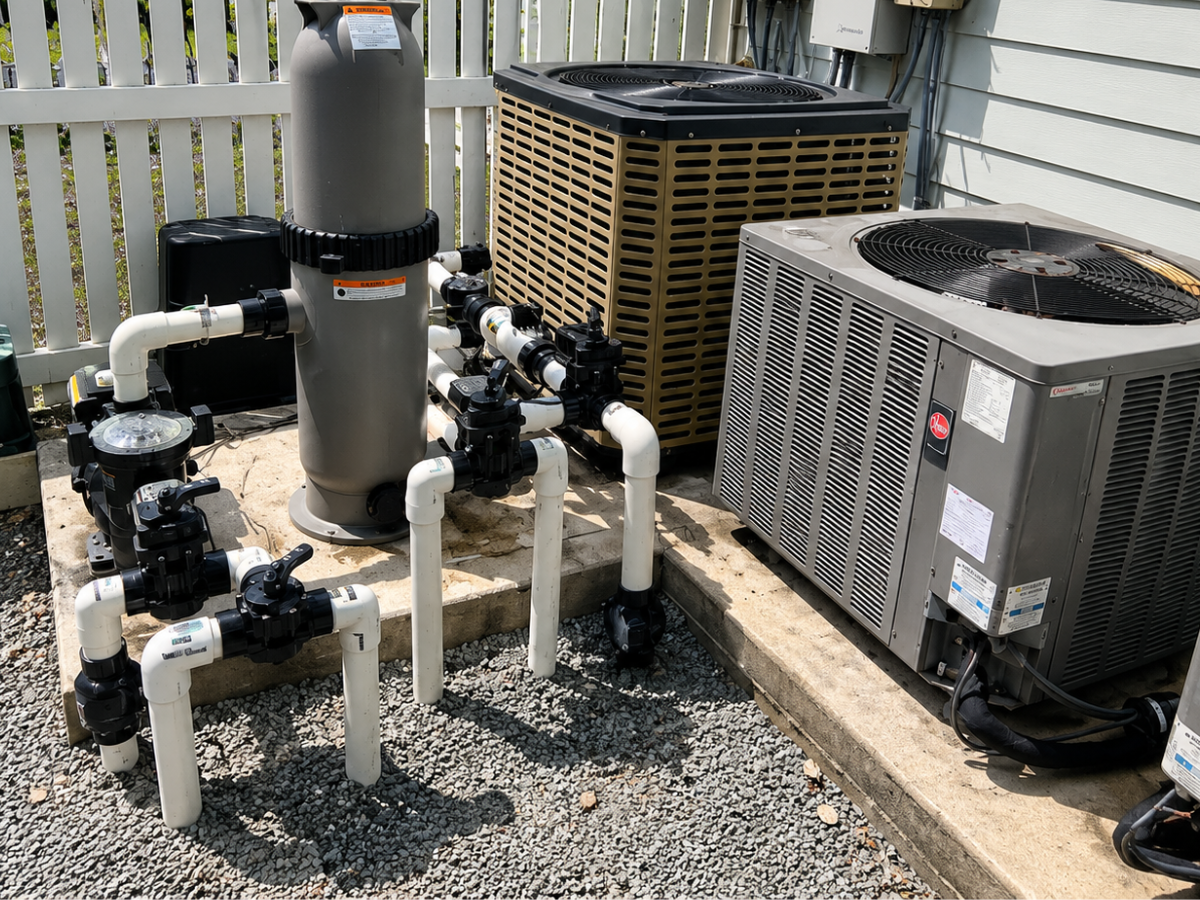
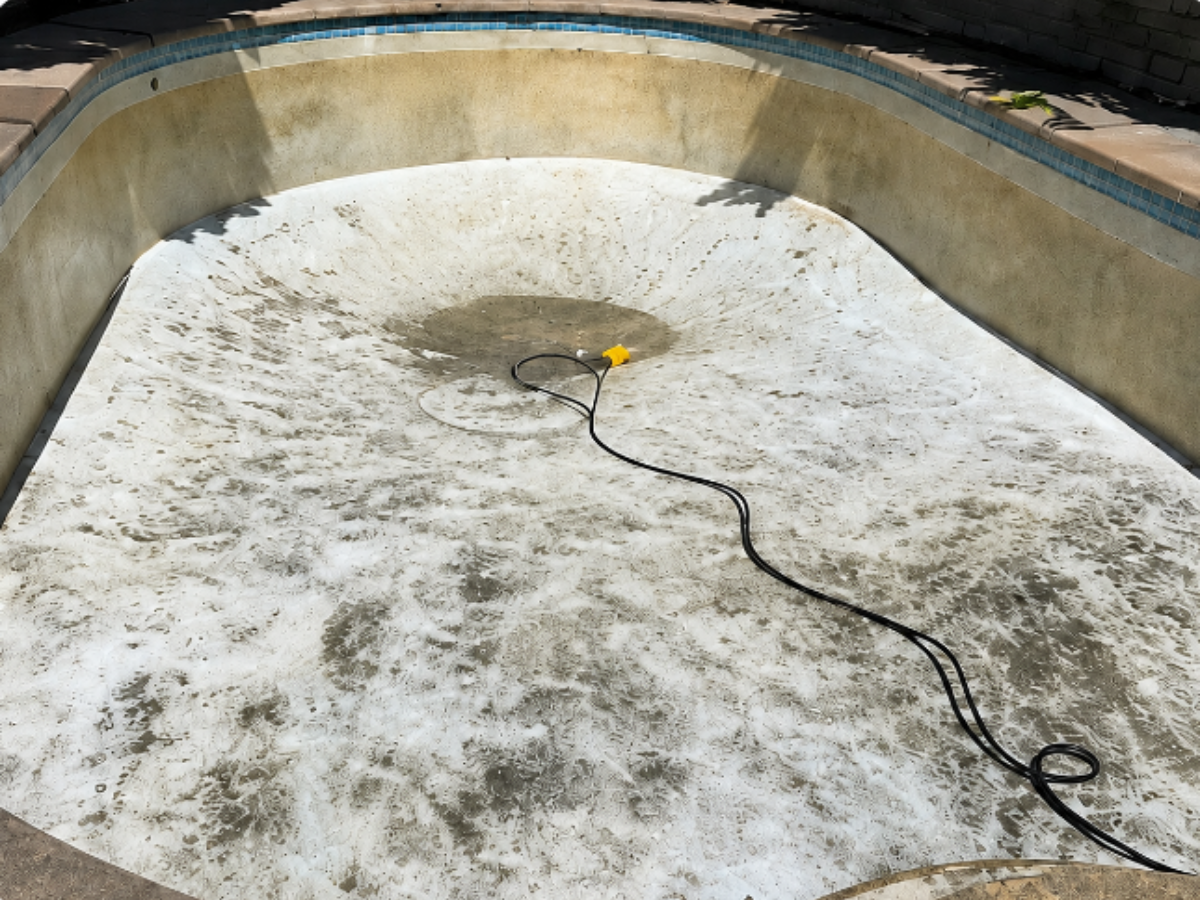
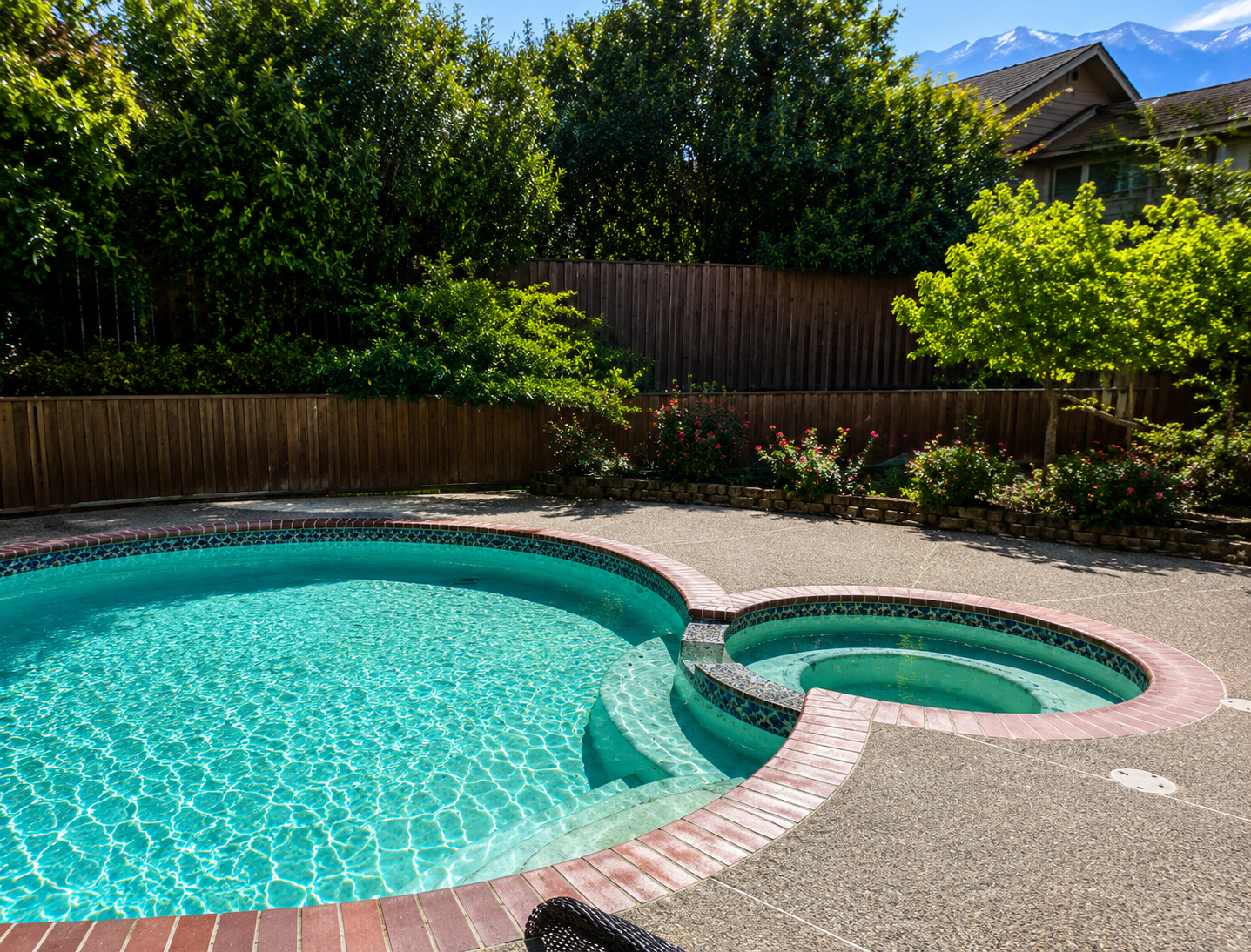
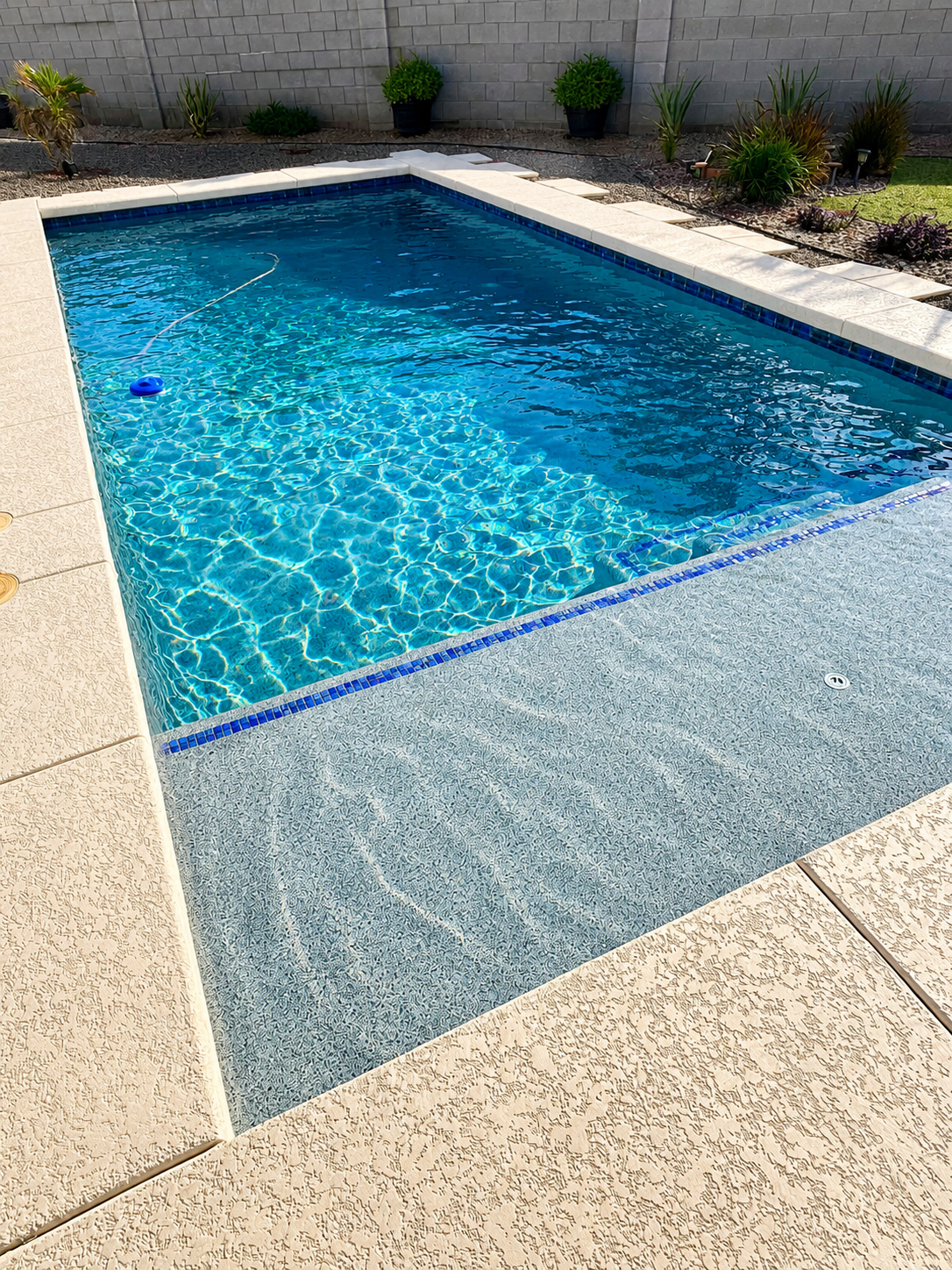
Real descaling work from Little Elm's lakeside pools. Mixed organic-calcium scale dissolves cleanly with a two-stage acid soak.
Neighborhoods We Serve in Little Elm, TX
From the lakeside pools of Valencia on the Lake and The Lakes at Little Elm to the family pools of Paloma Creek and Frisco Hills, we service salt chlorinator systems across every Little Elm neighborhood. Humidity-exposed communities see the fastest mixed-scale buildup, and we tailor descaling frequency to each property's proximity to the lake.
Wildridge
Lakeside pools where humidity and spore activity from Lewisville Lake force salt cells to run at high output, scaling plates faster.
Union Park
Family pools where lakeside algae pressure creates mixed organic-calcium scale on cell plates.
Valencia on the Lake
Lakeside community pools where constant spore drift demands frequent two-stage descaling.
Paloma Creek
Family pools where elevated humidity changes chlorine dissipation and requires stabilizer verification.
The Lakes at Little Elm
Waterfront pools where spore-driven scale requires a two-stage acid soak to fully restore plate function.
Frisco Hills
Residential pools where lakeside proximity accelerates mixed-scale formation on titanium plates.
Sunset Pointe
Lakeside pools where sun exposure and humidity burn through chlorine, requiring stabilizer testing.
Prairie Oaks
Family pools where lakeside spore pressure forces cells to overwork, scaling plates prematurely.
Lakewood Estates
Established pools near the lake needing seasonal descaling tied to humidity and spore cycles.
Eldorado Estates West
Residential pools where lakeside conditions demand output calibration beyond factory defaults.
Little Elm Salt Cell Cleaning FAQ
Answers about salt chlorinator maintenance specific to Little Elm's lakeside humidity, spore pressure, and stabilizer demands.
Book Your Little Elm Salt Cell Cleaning Today
Get a full diagnostic including stabilizer testing, two-stage descaling, and a photo report in one visit.